
How VPP Compatibility Changes the Value of a Home ESS
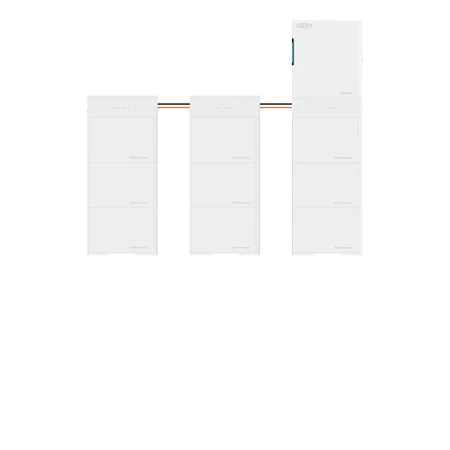
A VPP-compatible home ESS changes from a simple backup device into a grid-connected energy resource. A 10 kWh residential battery may save electricity costs through solar self-consumption, but VPP participation can add grid service payments, improve renewable integration, and increase long-term system utilization. In markets such as California, Australia, and Germany, residential batteries connected through VPP platforms are becoming part of modern power management systems.
A home energy storage system (ESS) is no longer evaluated only by battery capacity, backup hours, or solar charging efficiency. The connection between residential batteries and virtual power plants (VPPs) is changing how homeowners use stored energy. A conventional ESS usually works according to household schedules, while a VPP-compatible ESS can receive grid signals, adjust charging and discharging, and support electricity networks.
A typical 10 kWh battery installed with rooftop solar may store enough energy to cover evening household consumption for several hours. However, when connected to a VPP platform, the same battery can provide additional grid services. In 2023, several Australian VPP programs combined thousands of residential batteries to provide distributed power capacity, allowing small systems to work together as a coordinated energy resource.
The difference comes from battery operation. A traditional ESS focuses on reducing electricity purchases during expensive periods. The battery charges when solar production is high or electricity prices are low, then supplies household loads when prices increase. A VPP-compatible system adds another operating layer by allowing external energy platforms to manage available battery capacity while protecting homeowner requirements.
“A residential battery with VPP compatibility can serve two purposes: storing energy for the home and providing flexible capacity for the electricity network.”
This additional function changes the economic calculation of residential storage. According to market programs in countries including Australia and Germany, homeowners may receive financial incentives for allowing controlled battery operation. The exact amount depends on electricity prices, local regulations, battery size, and participation rules, but VPP programs can create additional income compared with a standalone ESS.
The technical requirements for VPP participation are higher than standard battery installation. The system needs a compatible inverter, communication connection, battery management system (BMS), and energy management software. The inverter must adjust power output according to external commands while maintaining safety limits.
For example, a residential system using a 10kW hybrid inverter can combine solar input, battery storage, household consumption, and grid interaction in one platform. A hybrid inverter with VPP capability can coordinate energy flow between photovoltaic generation, battery charging, backup loads, and utility requirements.
The inverter determines how effectively a battery can participate in future energy programs. Two batteries with the same 10 kWh capacity may have different market potential if one supports remote dispatch and grid communication while the other only performs local energy management.
| System Feature | Standard ESS | VPP-Compatible ESS |
|---|---|---|
| Solar self-consumption | Available | Available |
| Backup power | Available | Available |
| Time-of-use charging | Available | Available |
| Remote battery control | Limited | Available |
| Grid response programs | Usually unavailable | Available |
| Aggregated energy services | No | Yes |
Battery chemistry also affects VPP performance. Lithium iron phosphate (LFP) batteries are widely used in residential storage because of their long cycle life and thermal stability. Many modern LFP systems are designed for thousands of cycles, with manufacturers often targeting more than 6,000 cycles under controlled conditions.
Battery degradation is often discussed when considering VPP participation. Additional grid services do not necessarily mean excessive battery wear because professional VPP systems normally control operating ranges. For example, software may maintain the battery between 20% and 90% state of charge instead of repeatedly using the full capacity range.
The battery’s available capacity determines how much flexibility can be provided. A 5 kWh battery may support limited grid services, while a 10–15 kWh residential ESS provides more room for household backup and external energy management. In households with larger solar systems, additional storage capacity can improve renewable energy utilization.
Solar generation patterns make this flexibility more important. In regions with high rooftop solar adoption, electricity production can exceed local demand during sunny periods. In California, rooftop solar growth has created periods where grid operators need more methods to balance renewable generation. Residential batteries connected through VPP platforms can absorb excess electricity and release stored energy when demand increases.
“A battery that remains unused for most of the day can provide additional value when connected to an energy management network.”
The financial performance of a VPP-compatible ESS depends on local market conditions. In Australia, companies have developed residential VPP programs that combine home batteries into larger virtual resources. In Germany, residential storage adoption has grown alongside solar installations, with many homeowners using intelligent energy management systems to increase self-consumption.
The homeowner’s electricity pattern also affects results. A household with high evening electricity demand may gain more from solar shifting, while a household with flexible consumption may benefit more from VPP participation. Battery capacity, electricity tariff structure, solar production, and grid program availability all influence the final economic outcome.
A VPP-ready ESS also requires reliable software communication. Cloud platforms must securely exchange information between utilities, aggregators, inverters, and home energy systems. Communication failures or incompatible hardware can prevent a battery from joining external energy programs even if the battery itself has sufficient capacity.
The market direction shows increasing interest in connected residential energy systems. In 2024, residential battery installations continued expanding in regions with high renewable energy adoption. As electricity networks include more variable renewable sources, flexible residential storage becomes more useful for balancing supply and demand.
The role of the inverter is expected to become more important in future ESS design. A battery is the energy storage component, but the inverter manages energy conversion and communication between different parts of the system. A VPP-compatible inverter allows the ESS to move beyond simple charging and discharging functions.
“The difference between a standard home battery and a VPP-ready ESS is the ability to participate in a wider energy system.”
For homeowners purchasing a new ESS, VPP compatibility should be considered together with battery capacity, warranty period, efficiency, and backup performance. A system designed for future grid participation may provide more operating options over its service life.
The expansion of distributed energy resources is creating a new role for residential batteries. Instead of operating as isolated household equipment, VPP-connected ESS units can become part of a larger network that supports renewable energy use, grid flexibility, and household energy management. The technology does not change the physical battery capacity, but it changes how often and how effectively that capacity can be used.
Specs on the page, turbos in the warehouse.
Cross-reference the part numbers above against our live Des Moines inventory — most orders placed before 2 PM CT ship the same day.